
Accredited by the National Board of Accreditation (NBA) under Tier-I
The Department of Electronics and Communication Engineering (ECE) at Vardhaman College of Engineering follows well-defined academic regulations that ensure academic rigor, transparency, and alignment with institutional policies, affiliating university guidelines, AICTE norms, and NBA accreditation requirements. These regulations establish a comprehensive academic framework that governs curriculum structure, credit distribution, assessment methods, grading systems, attendance requirements, and progression criteria. The academic regulations are designed to support Outcome-Based Education (OBE), ensuring that all academic processes are aligned with clearly defined Program Outcomes (POs), Program Specific Outcomes (PSOs), and Course Outcomes (COs), consistent with the Washington Accord Graduate Attributes.
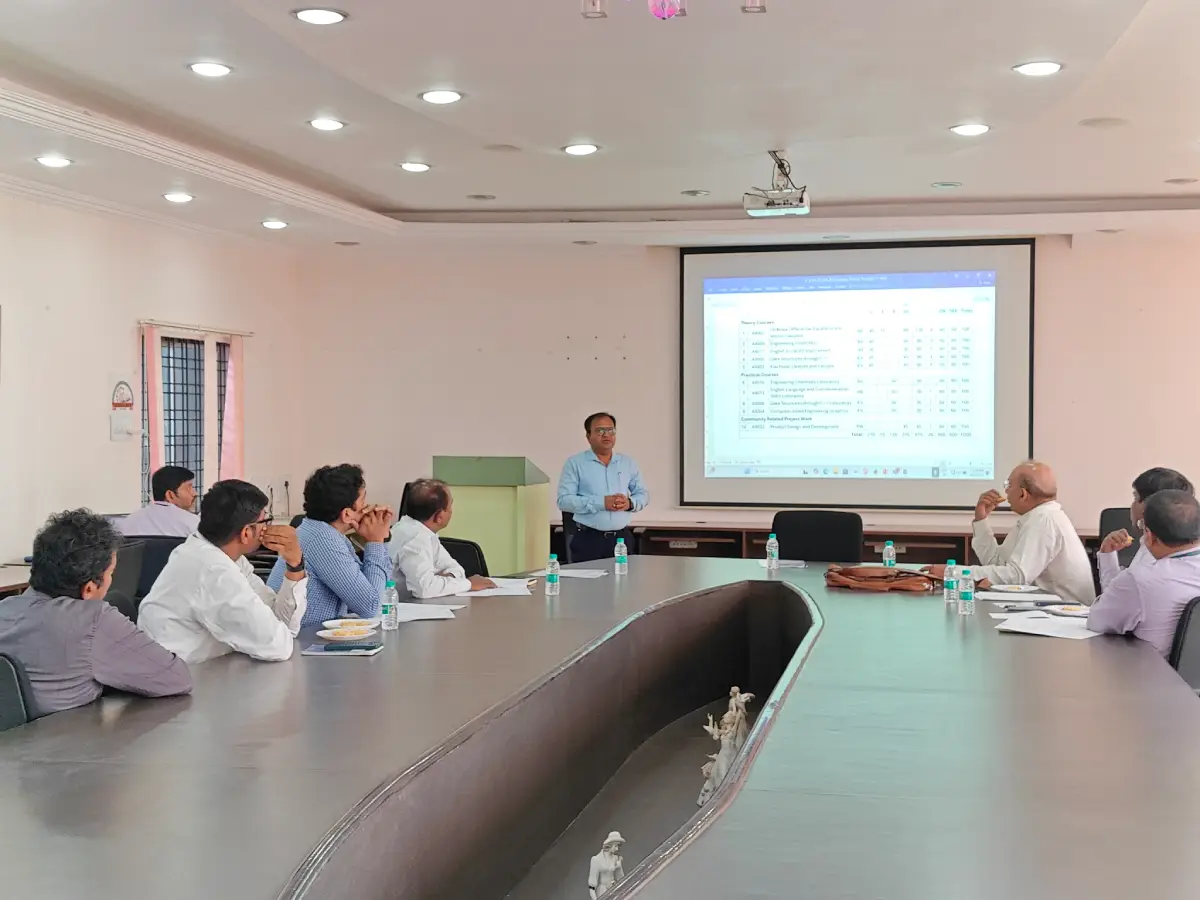
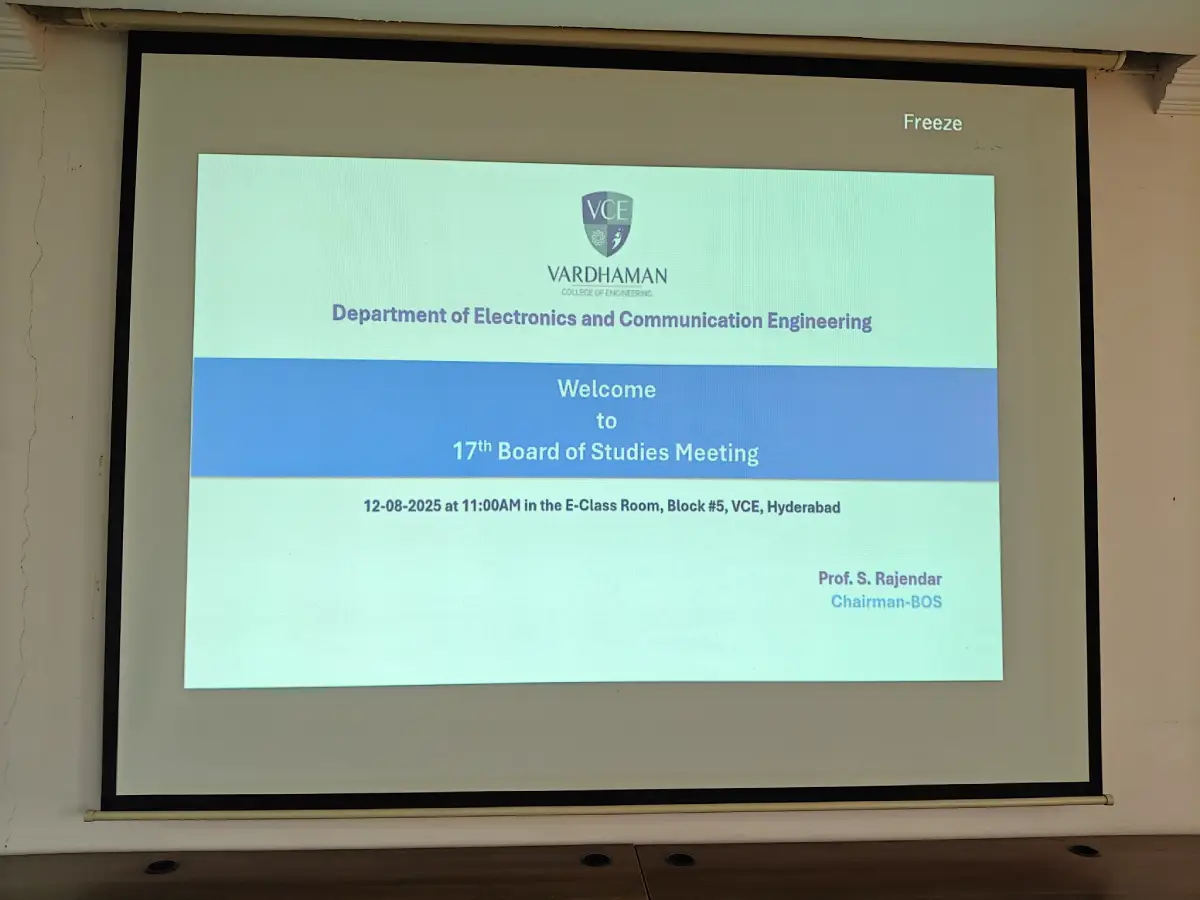
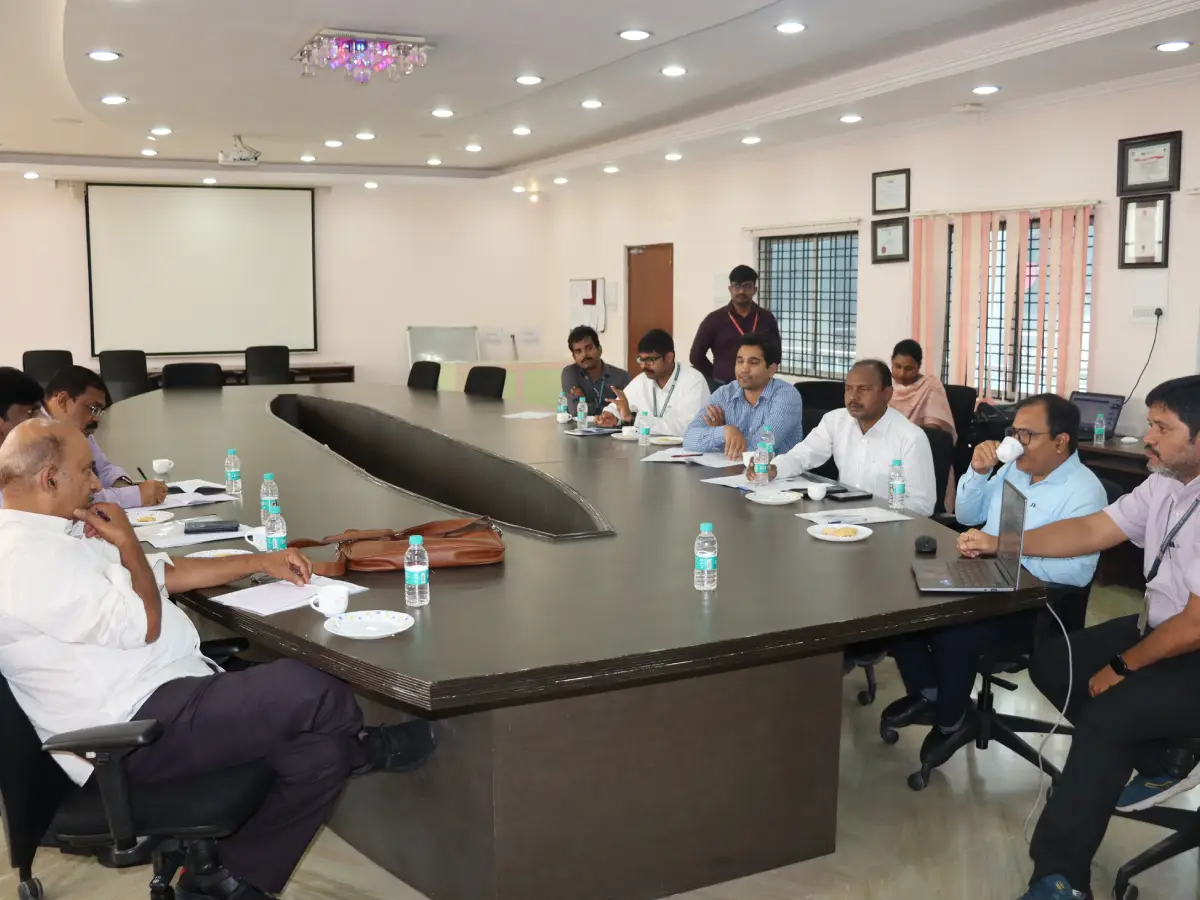
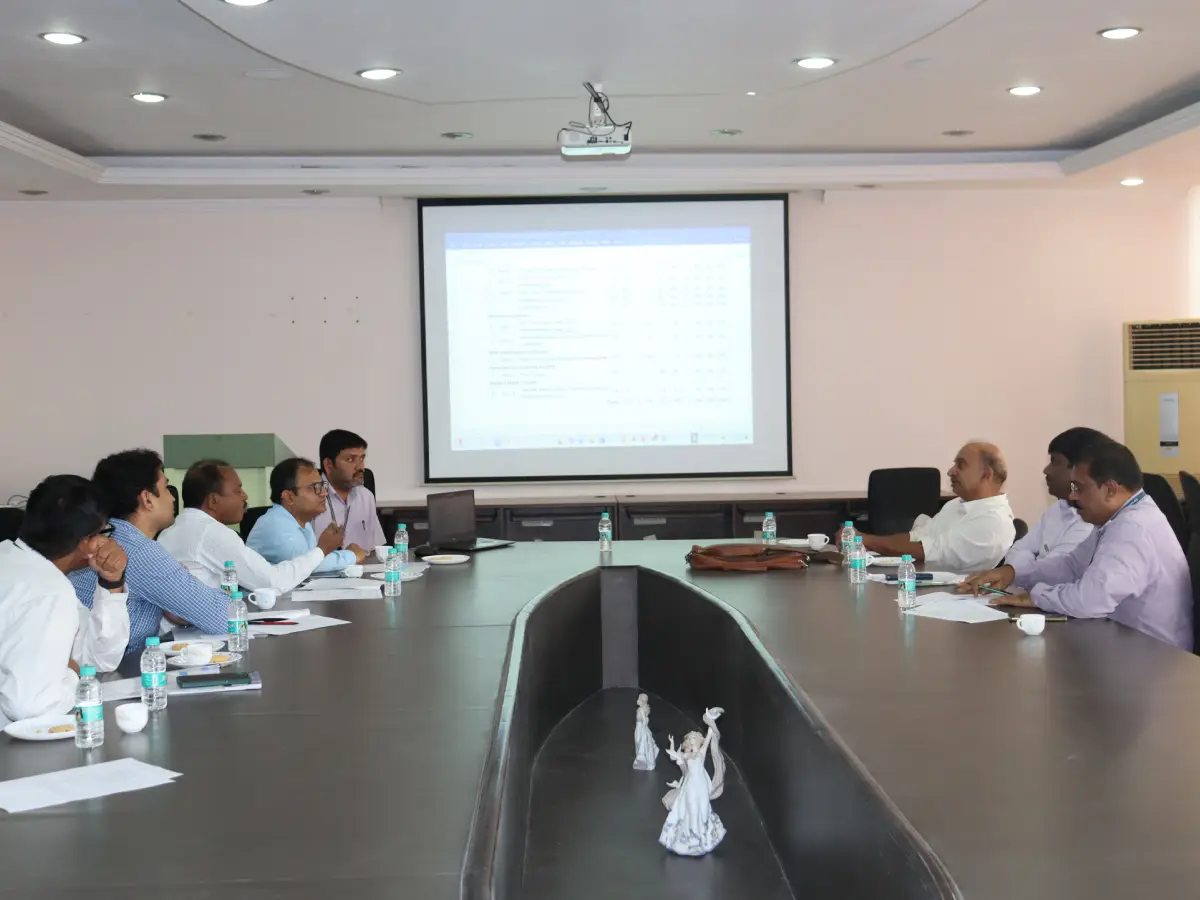
The B.Tech and M.Tech programs in Electronics and Communication Engineering are designed to provide a strong academic foundation integrated with industry-relevant knowledge and practical skills, preparing graduates for careers in electronics, communication systems, embedded systems, signal processing, wireless technologies, and emerging domains such as artificial intelligence, Internet of Things (IoT), and next-generation communication networks. The curriculum is structured under the Choice-Based Credit System (CBCS), offering flexibility for students to select courses based on their interests and career goals. The curriculum development and revision process is guided by a systematic needs assessment and gap analysis, incorporating inputs from industry experts, alumni, employers, faculty, and students. Emerging technological trends, industry requirements, and global engineering practices are carefully analyzed to ensure the curriculum remains current, relevant, and aligned with Program Outcomes and professional expectations.
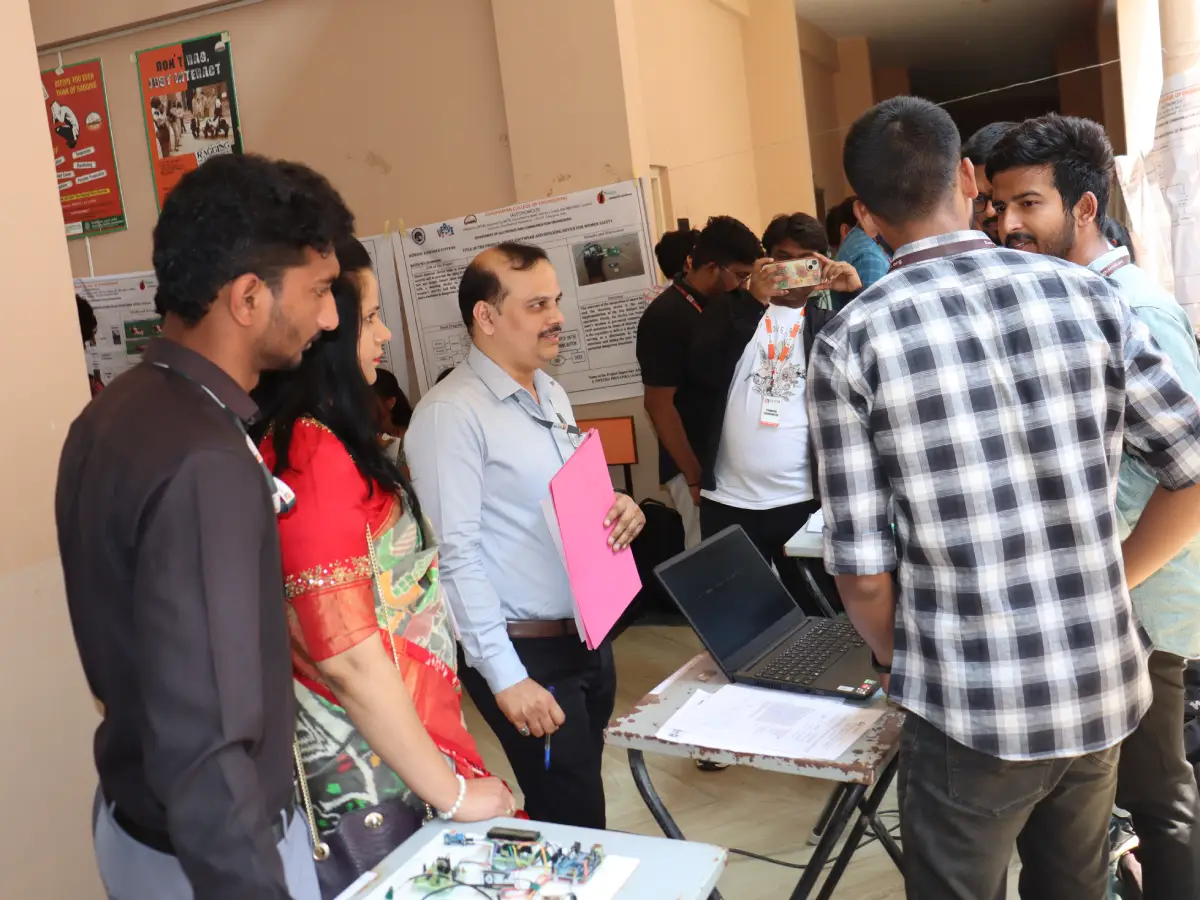
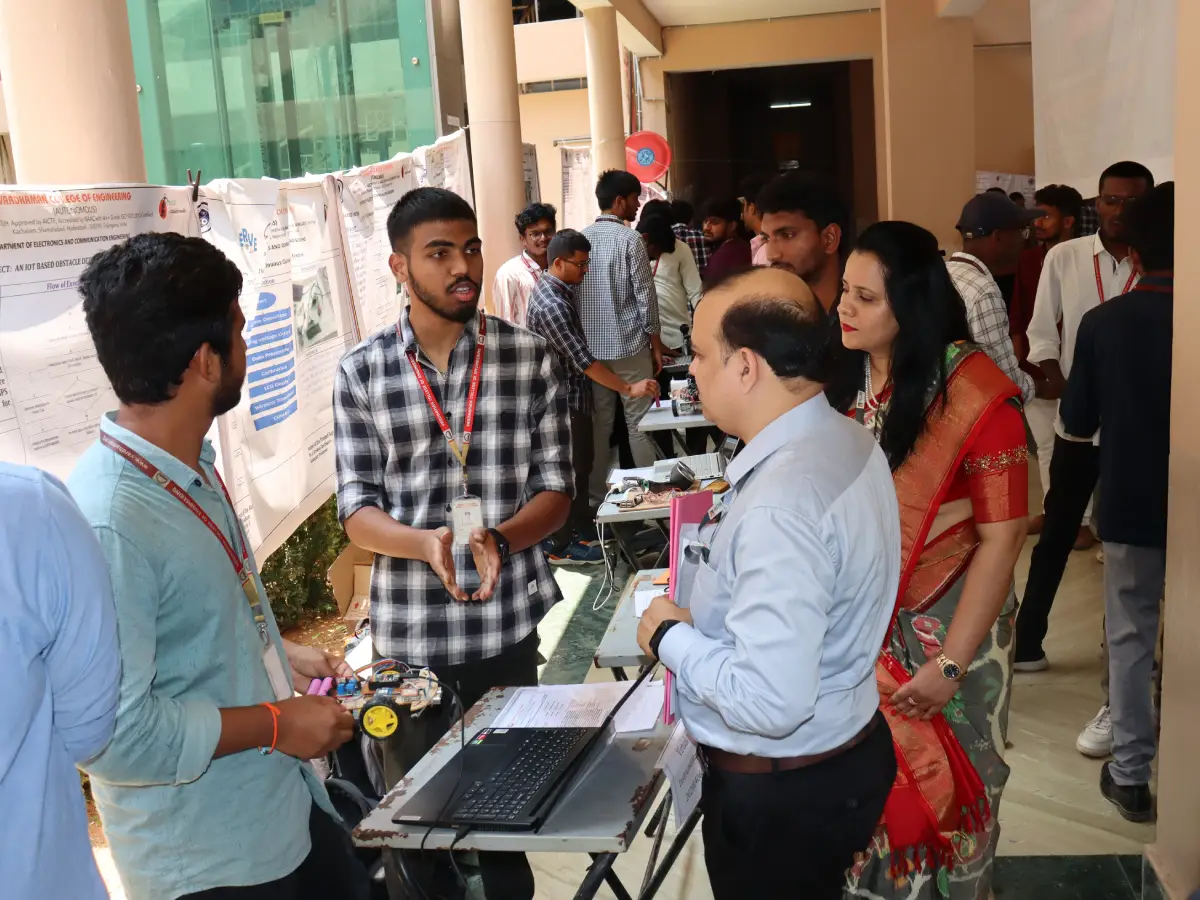
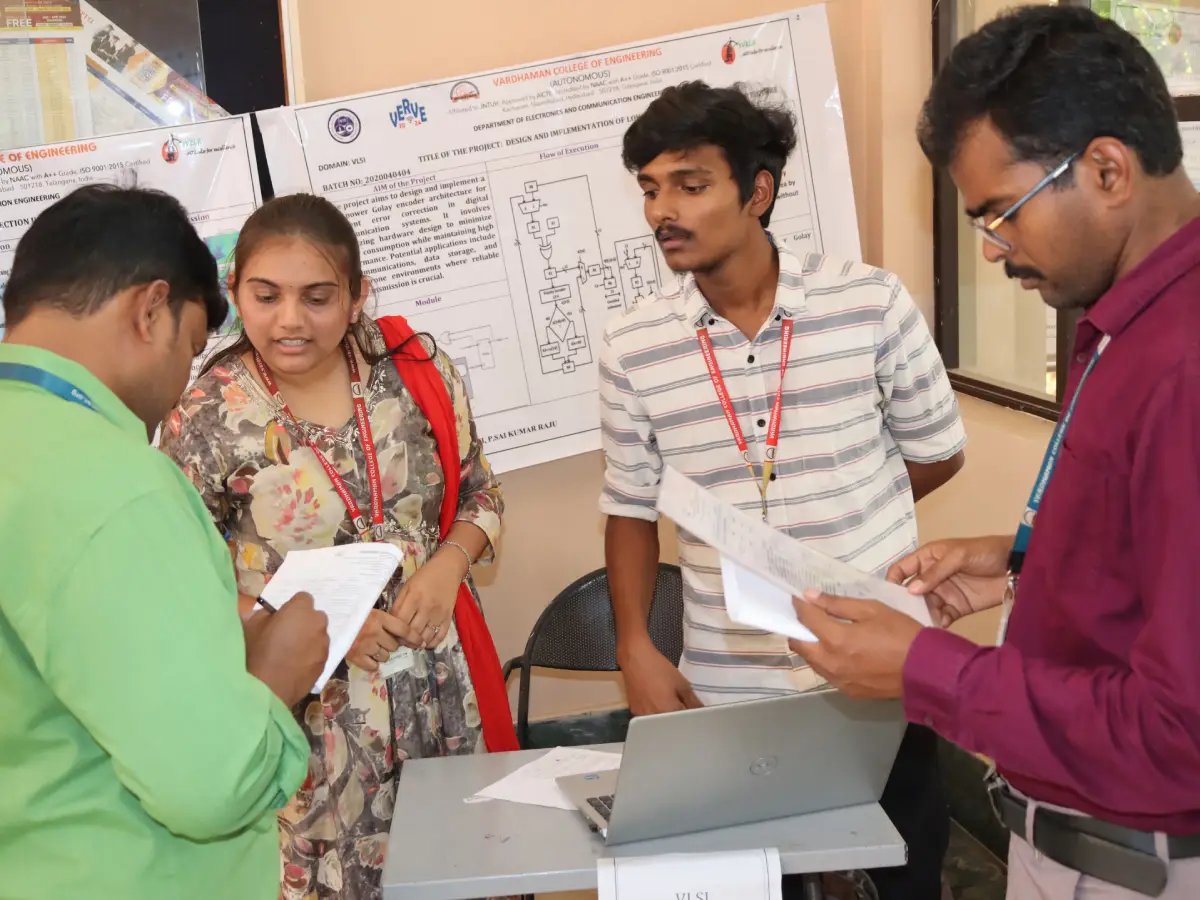
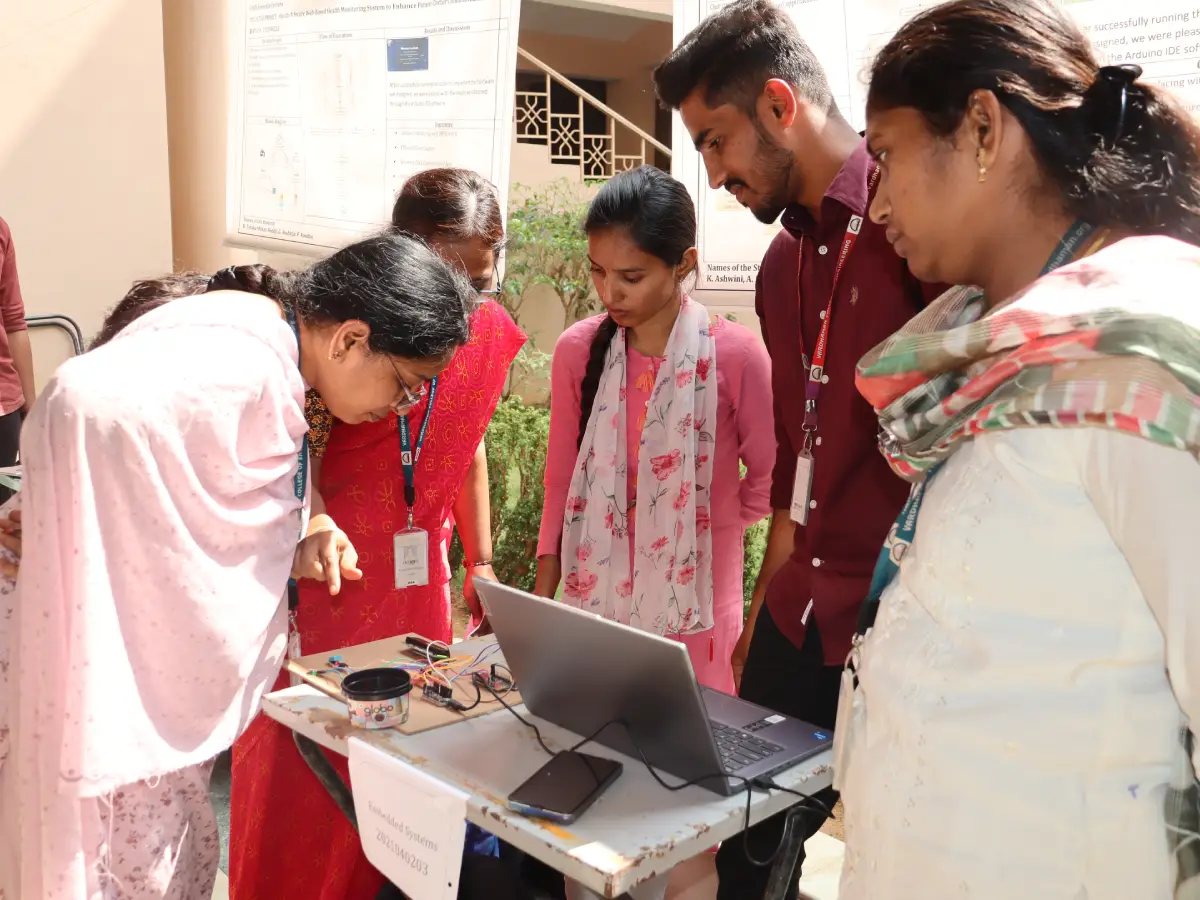
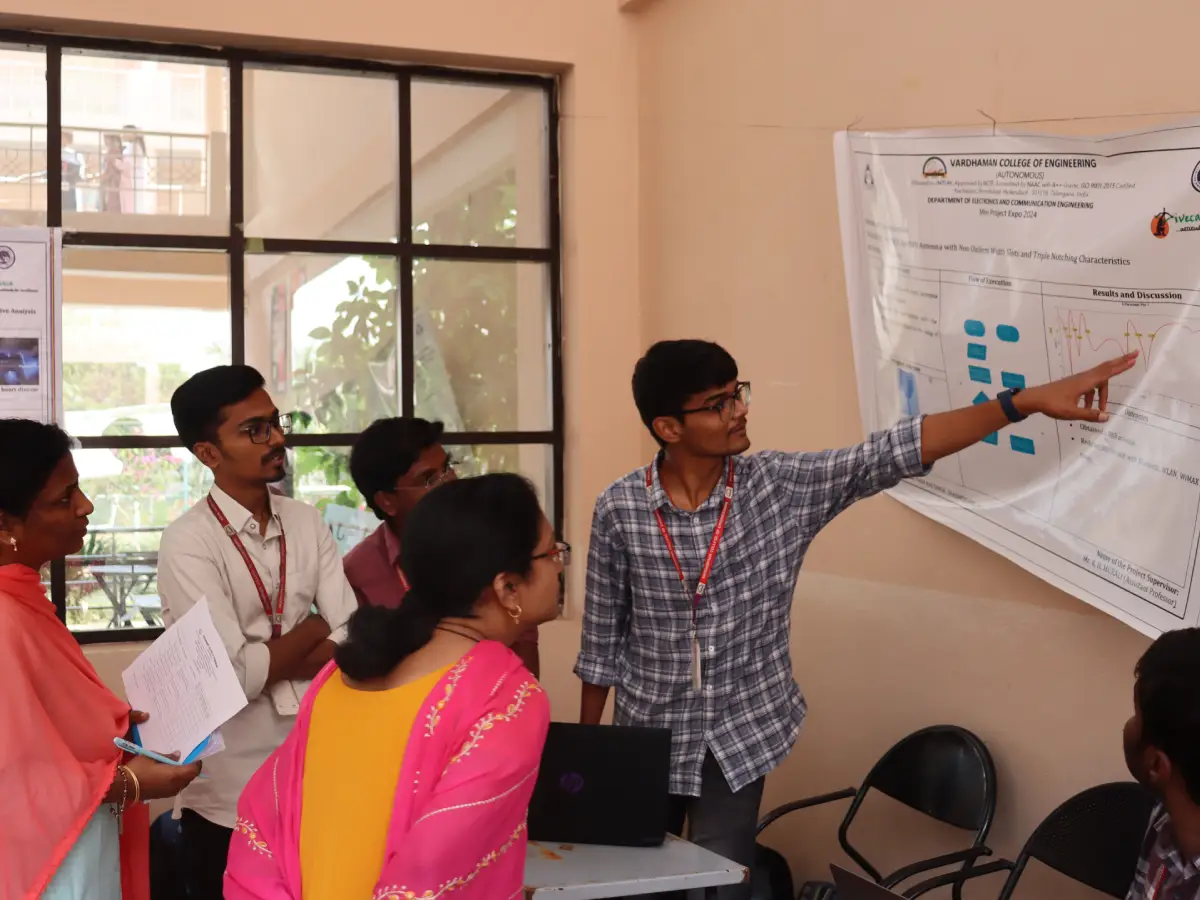
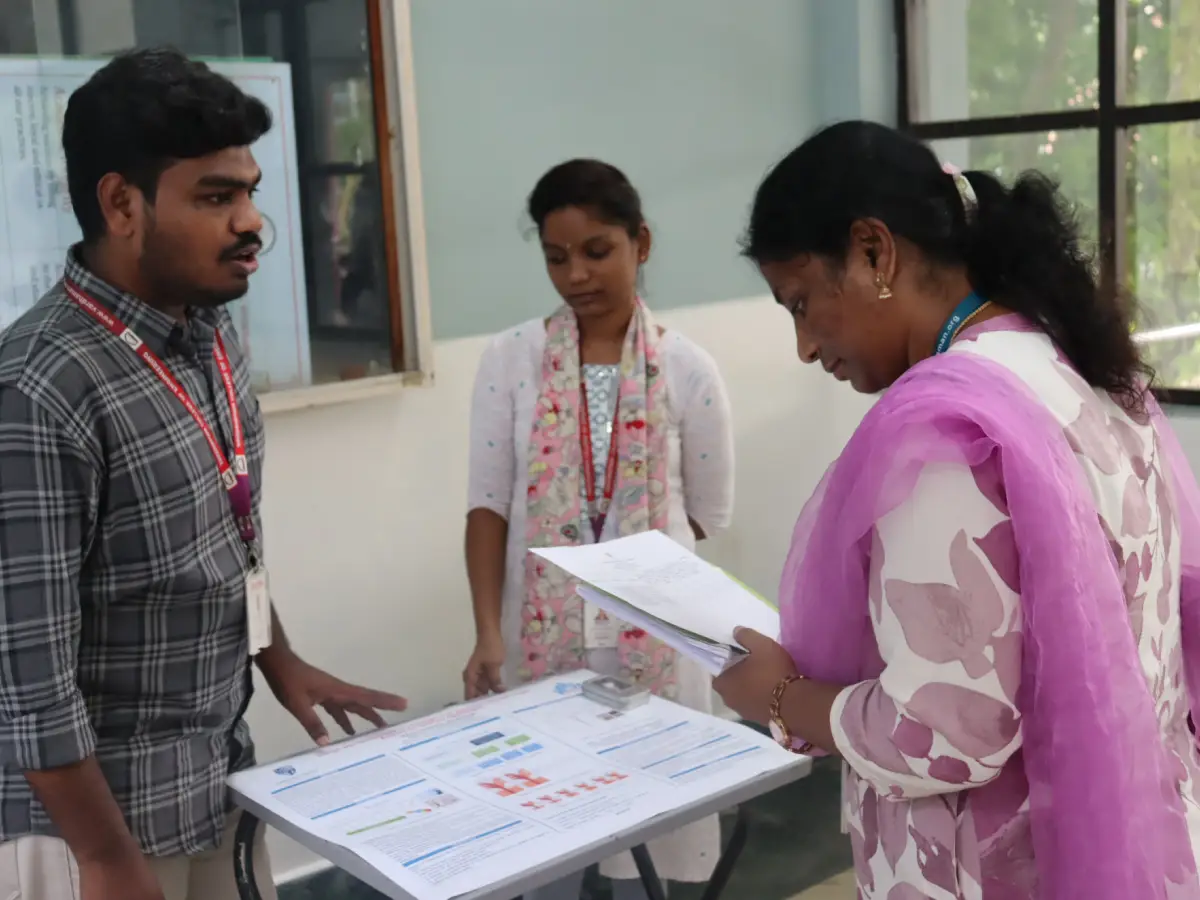
The curriculum emphasizes experiential and outcome-based learning through laboratory courses, mini-projects, internships, industrial training, and project-based learning, enabling students to apply theoretical concepts to real-world engineering problems and develop analytical, design, and problem-solving skills. Industry participation through guest lectures, mentorship, and curriculum inputs ensures exposure to contemporary technologies and professional practices. The inclusion of interdisciplinary courses, credit transfer through MOOCs such as NPTEL, and implementation of the Academic Bank of Credits (ABC) and APAAR ID systems provide flexibility, support lifelong learning, and enhance academic mobility. Continuous monitoring and evaluation through outcome attainment analysis, student performance, and stakeholder feedback enable periodic curriculum revisions, ensuring alignment with technological advancements, industry requirements, and accreditation standards, and preparing graduates to become competent, innovative, and socially responsible engineers.
The Minor and Honors programs offered by the Department of Electronics and Communication Engineering provide opportunities for academically motivated students to enhance their knowledge beyond the regular curriculum and develop specialized expertise in emerging technological areas. These programs are designed to support interdisciplinary learning, advanced technical knowledge, and research orientation, enabling students to achieve academic excellence and improve their professional competitiveness.
The Minor program allows students to pursue additional courses in interdisciplinary domains such as Internet of Things, Quantum Computing. This enables students to broaden their academic exposure, develop multidisciplinary competencies, and enhance their employability in diverse technological sectors. The Minor program supports the development of analytical thinking, adaptability, and cross-disciplinary problem-solving skills, preparing students for evolving engineering roles and industry demands.
The Honors program is designed for high-performing students who wish to gain advanced expertise in core Electronics and Communication Engineering domains. This program includes advanced coursework, research-oriented learning, and specialized technical subjects that strengthen students’ design, analytical, and innovation capabilities. Honors students are encouraged to engage in advanced projects, research activities, and emerging technology domains, fostering creativity, innovation, and technical leadership.
The Community Innovation and Transformation (CIT) courses offered by the Department of Electronics and Communication Engineering are designed to integrate engineering education with societal needs, enabling students to apply their technical knowledge to address real-world challenges faced by communities. These courses promote experiential learning, ethical responsibility, social awareness, and sustainable engineering practices, aligning with the institution’s commitment to holistic student development and Outcome-Based Education. Through CIT courses, students identify real-life problems related to communication systems, electronics applications, healthcare technologies, environmental monitoring, accessibility, and rural development, and develop innovative technological solutions under faculty mentorship. This process enables students to apply engineering principles, modern tools, and analytical skills in practical contexts, thereby enhancing their technical competence and problem-solving abilities.
The CIT courses emphasize collaborative and multidisciplinary learning, where students engage in project planning, design, implementation, testing, and evaluation, fostering teamwork, project management, and effective communication skills. These experiences help students understand the societal and environmental impact of engineering solutions while developing professional and ethical values. The integration of CIT courses supports the attainment of key Program Outcomes such as engineering and society, environment and sustainability, ethics, teamwork, communication, and lifelong learning. By combining academic knowledge with community engagement, these courses contribute to the development of socially responsible, innovative, and competent engineers capable of addressing societal challenges and contributing to sustainable technological advancement.