
Accredited by the National Board of Accreditation (NBA) under Tier-I
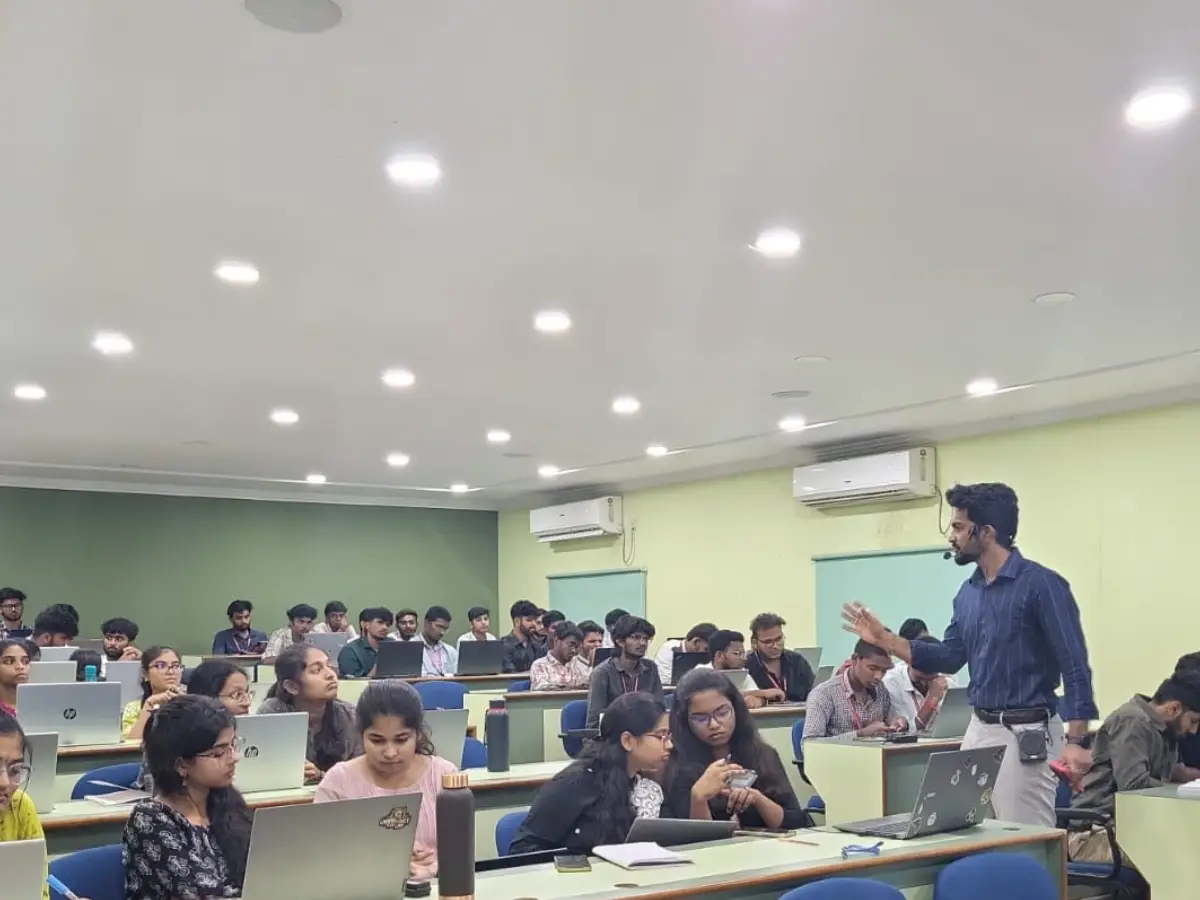
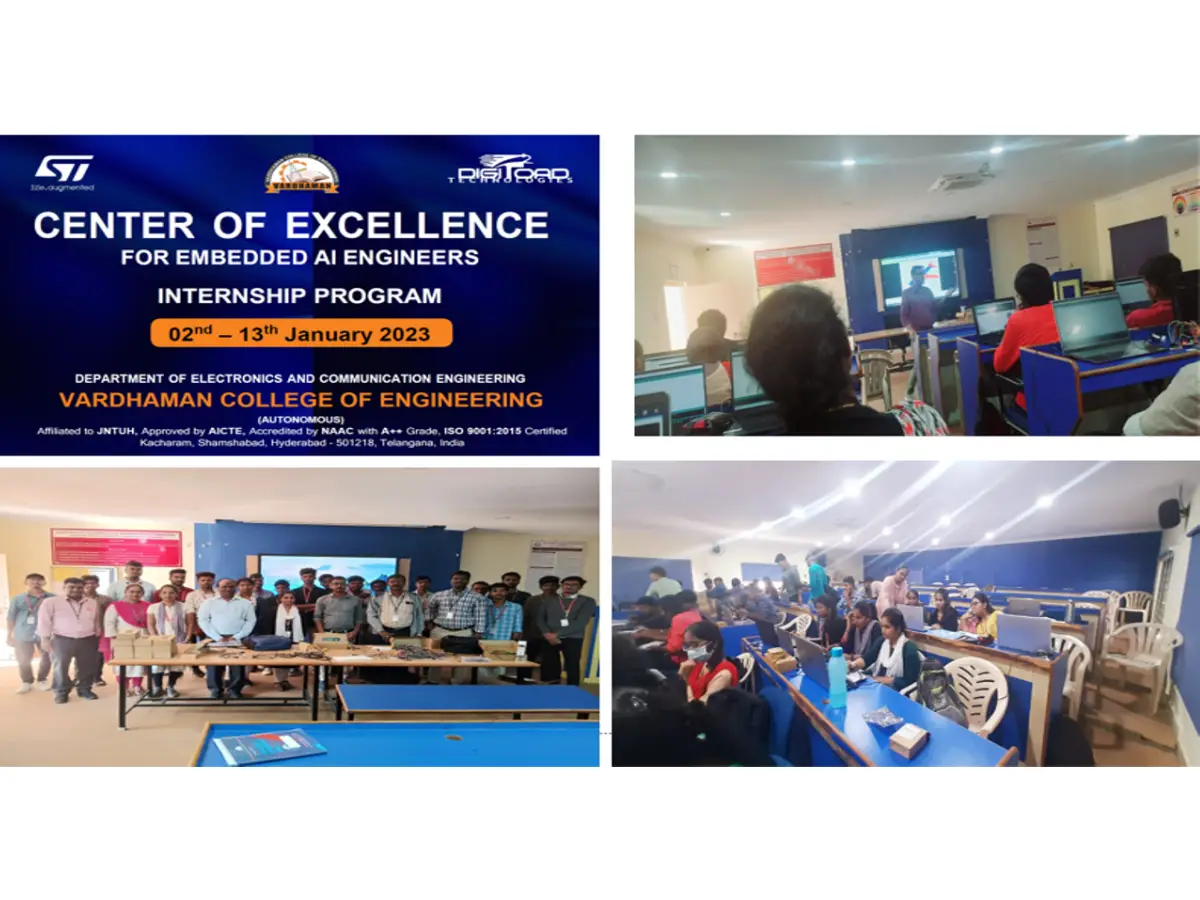
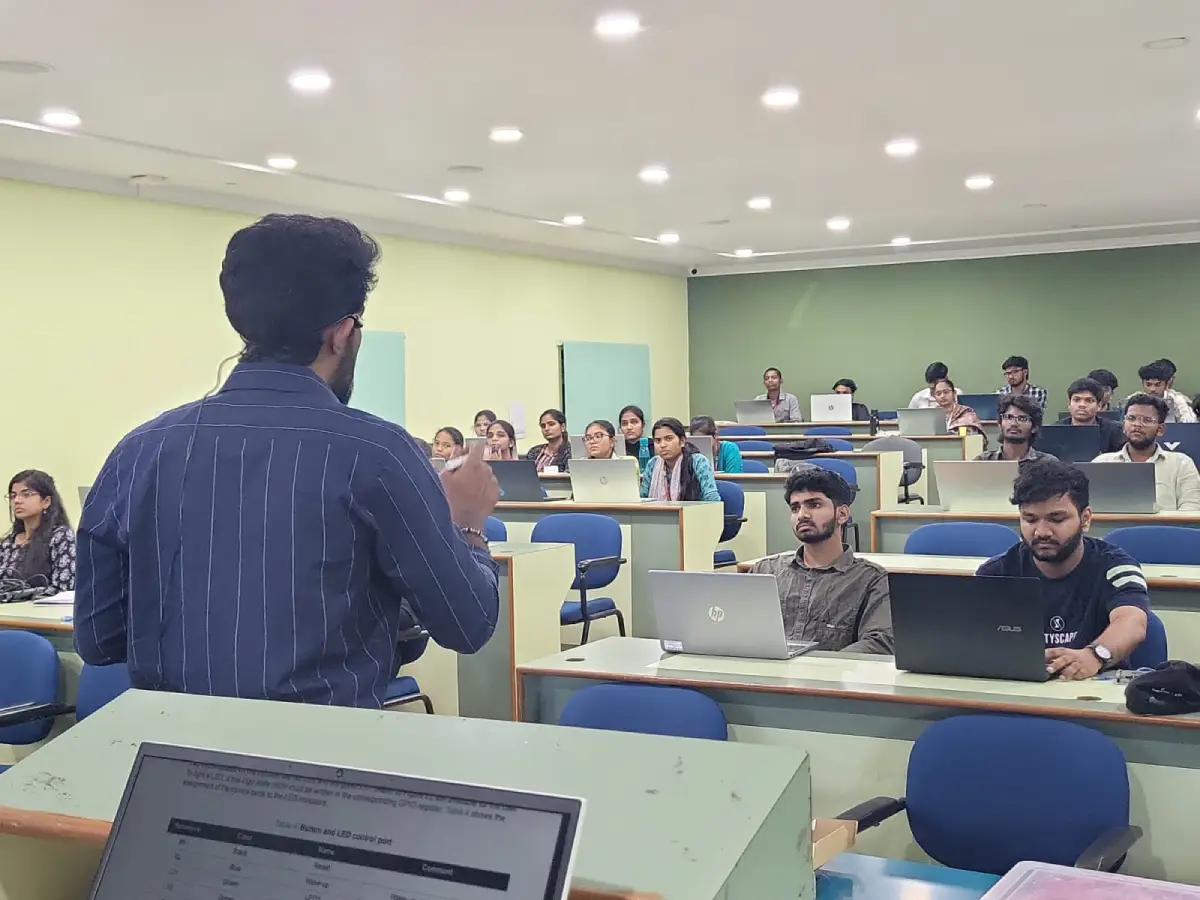
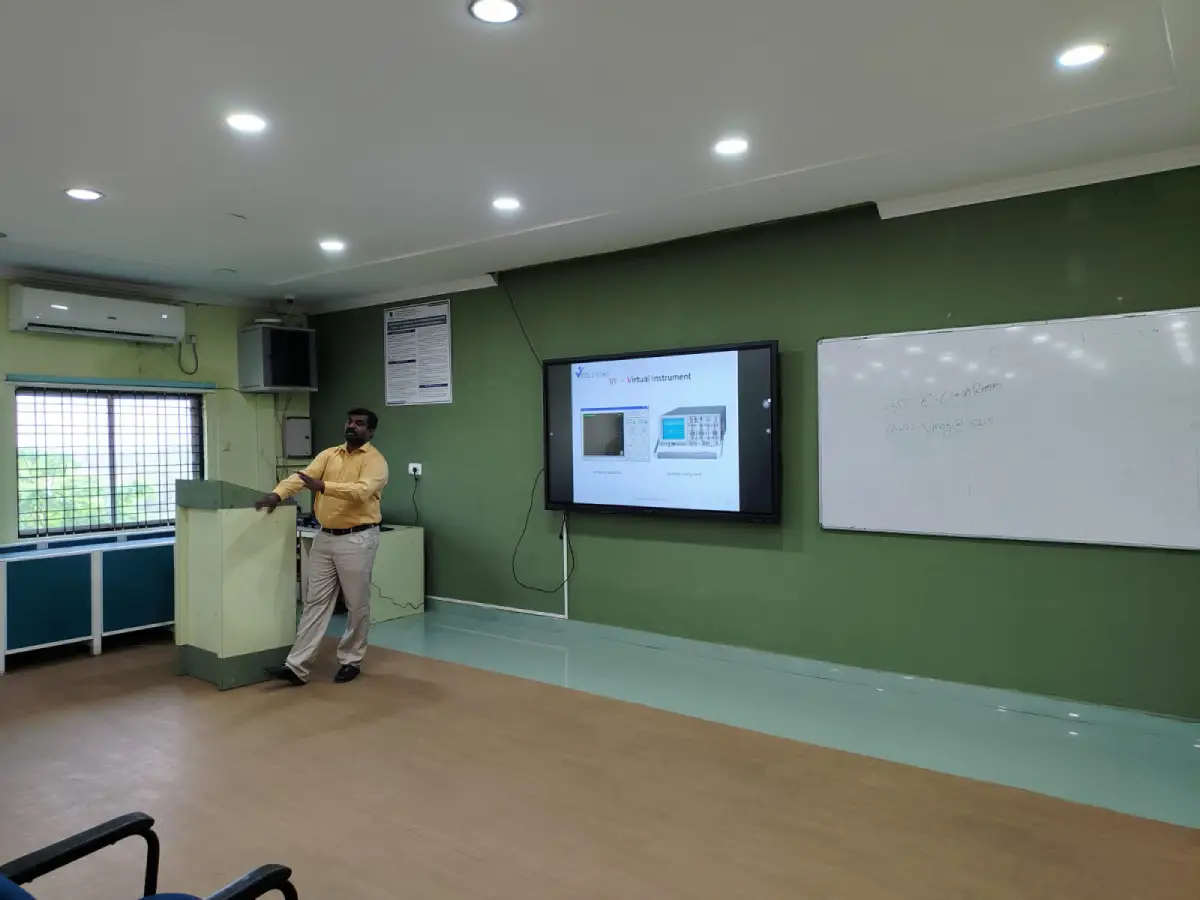
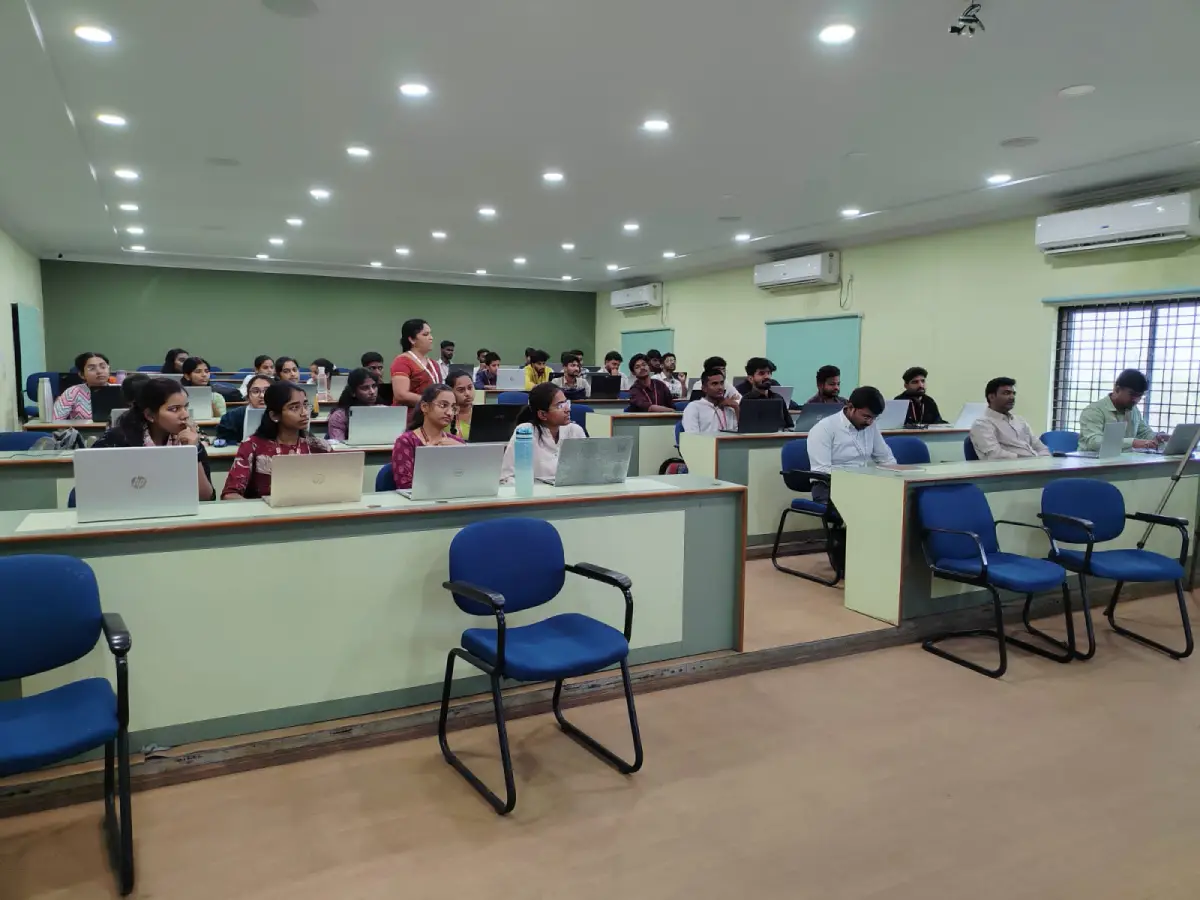
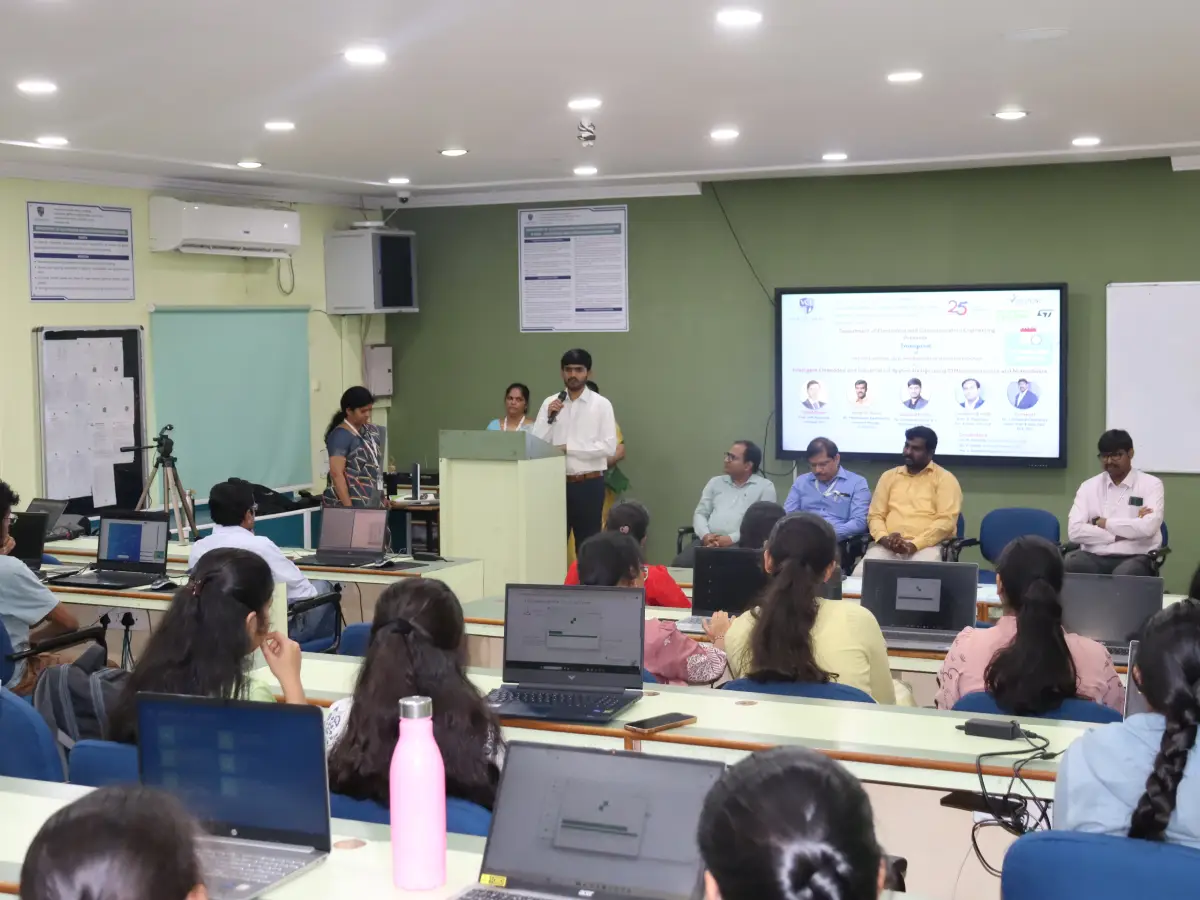
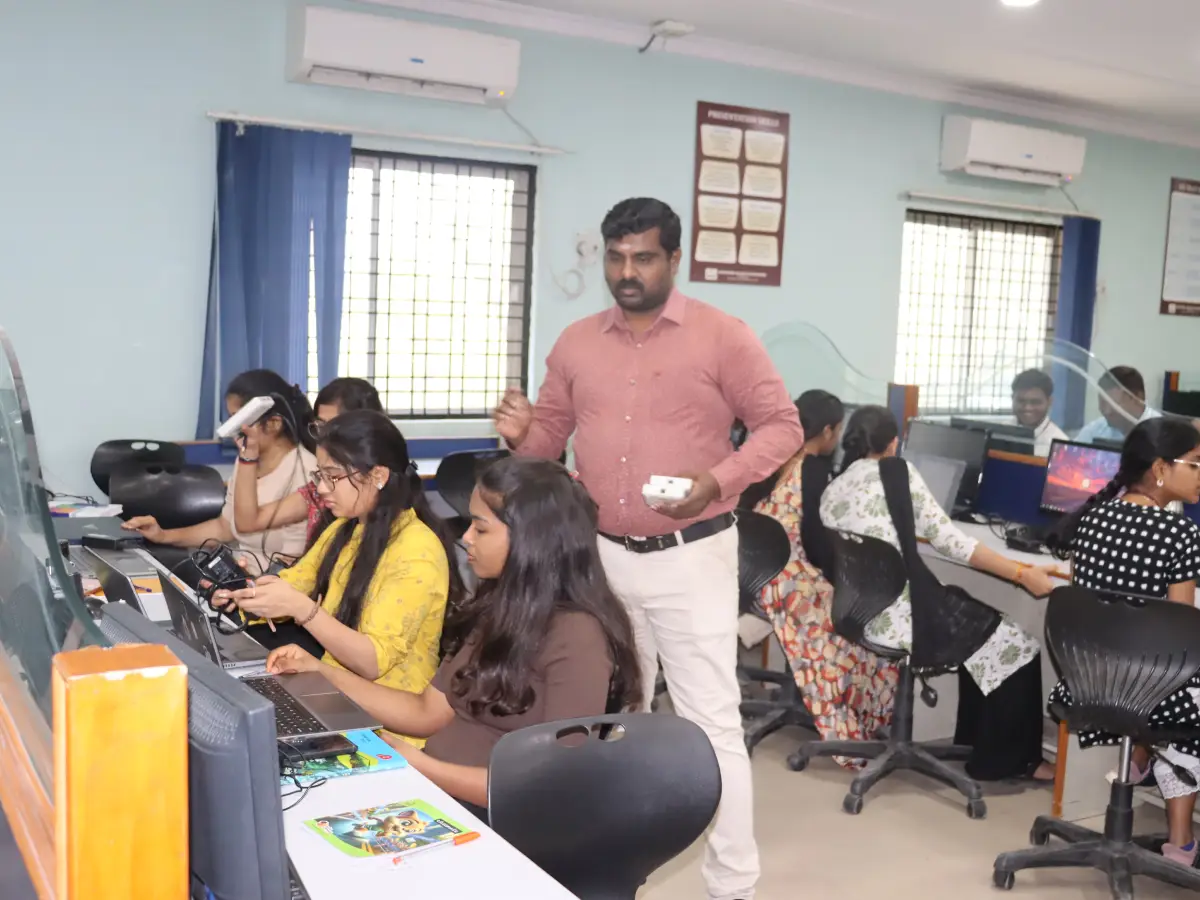
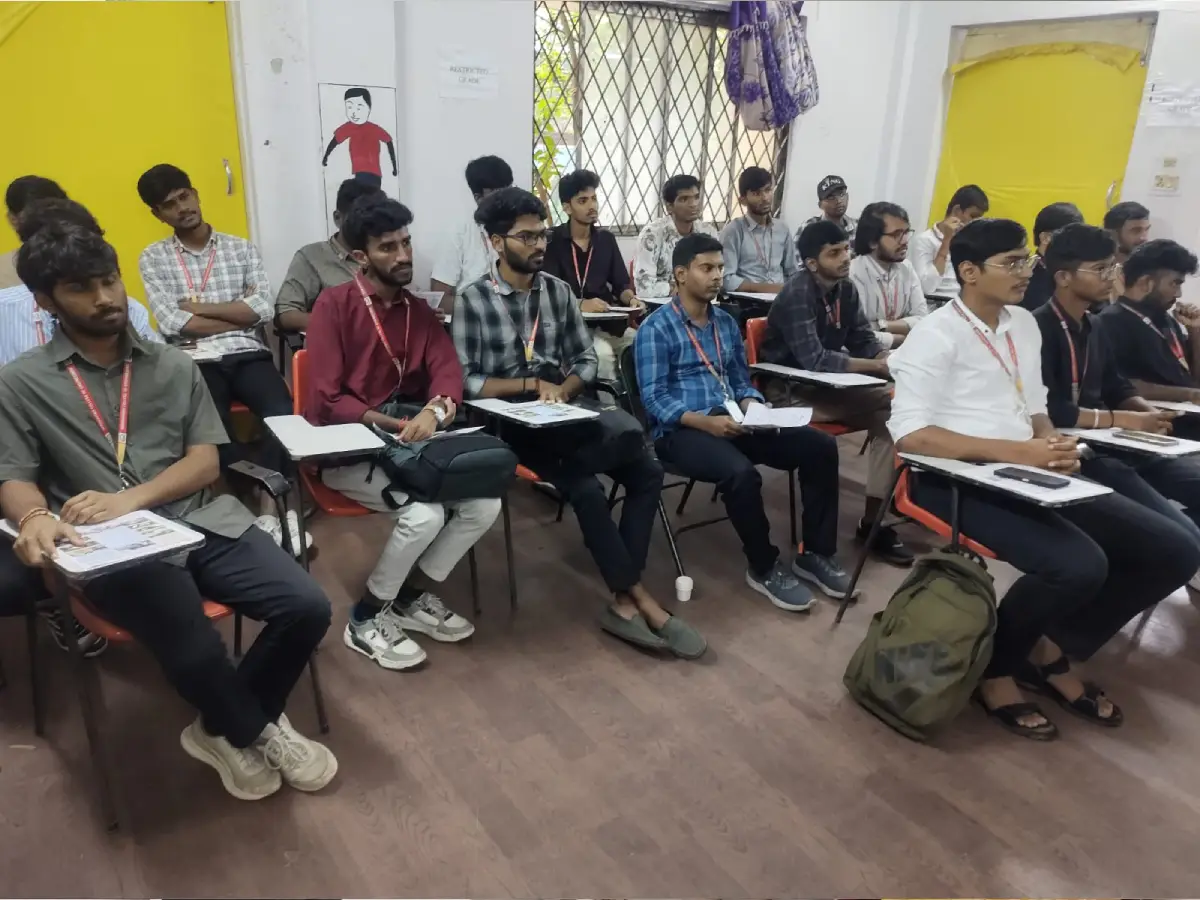
The Industry Institute Interaction of the ECE Department functions as a vital link between academia and industry, aiming to enhance student employability, faculty exposure, and practical learning. It promotes collaboration through MoUs, and faculty internships, while also supporting infrastructure development such as sponsored laboratories, Centres of Excellence, and shared industrial resources. The cell facilitates structured student internships, industrial visits, guest lectures, and real-time project exposure to align academic learning with workplace requirements. It also contributes to curriculum development through industry feedback, value-added certification courses, and partial course delivery by industry professionals. Additionally, IIIC organizes workshops, seminars, hackathons, and soft-skill training programs to strengthen technical competence, innovation, communication, and personality development, ultimately ensuring that ECE graduates are industry-ready and professionally competent.
The ECE Department has consistently strengthened its industry and institutional partnerships through Memorandums of Understanding (MoUs) with reputed government organizations, technology firms, skill councils, and corporate houses from 2014 onwards. These collaborations cover diverse domains such as telecommunications, embedded systems, semiconductor design, automation, IoT, EDA tools, entrepreneurship, and skill development. In recent years (2024–2026), the department expanded its network with prominent bodies including RTTC-BSNL Hyderabad, NASSCOM/IT-ITeS Sector Skills Council, Synopsis International & Chip-in Center for EDA tool access, CSC India, Pi Square Technologies & QNX, and Sense Semiconductor, reflecting a strong focus on advanced technologies and employability skills. Earlier partnerships with organizations such as Intel Technology Pvt. Ltd., NI Systems, Scientech Technologies, EdGate Technologies, ThinkIoT Solutions, and Wadhwani Foundation laid a strong foundation for research support, internships, certification programs, and laboratory development.










Internship Policy
The Internship Policy of Vardhaman College of Engineering aims to provide students with structured practical exposure that bridges academic learning and industry practice. Internships enable students to apply theoretical knowledge, develop technical and soft skills, explore career interests, and gain real-world professional experience. A quality internship includes a clear project role, organizational orientation, defined learning goals, and regular mentor feedback.
Objectives of Internship Training
Refer summary sheets for 22batch and 21 batch….
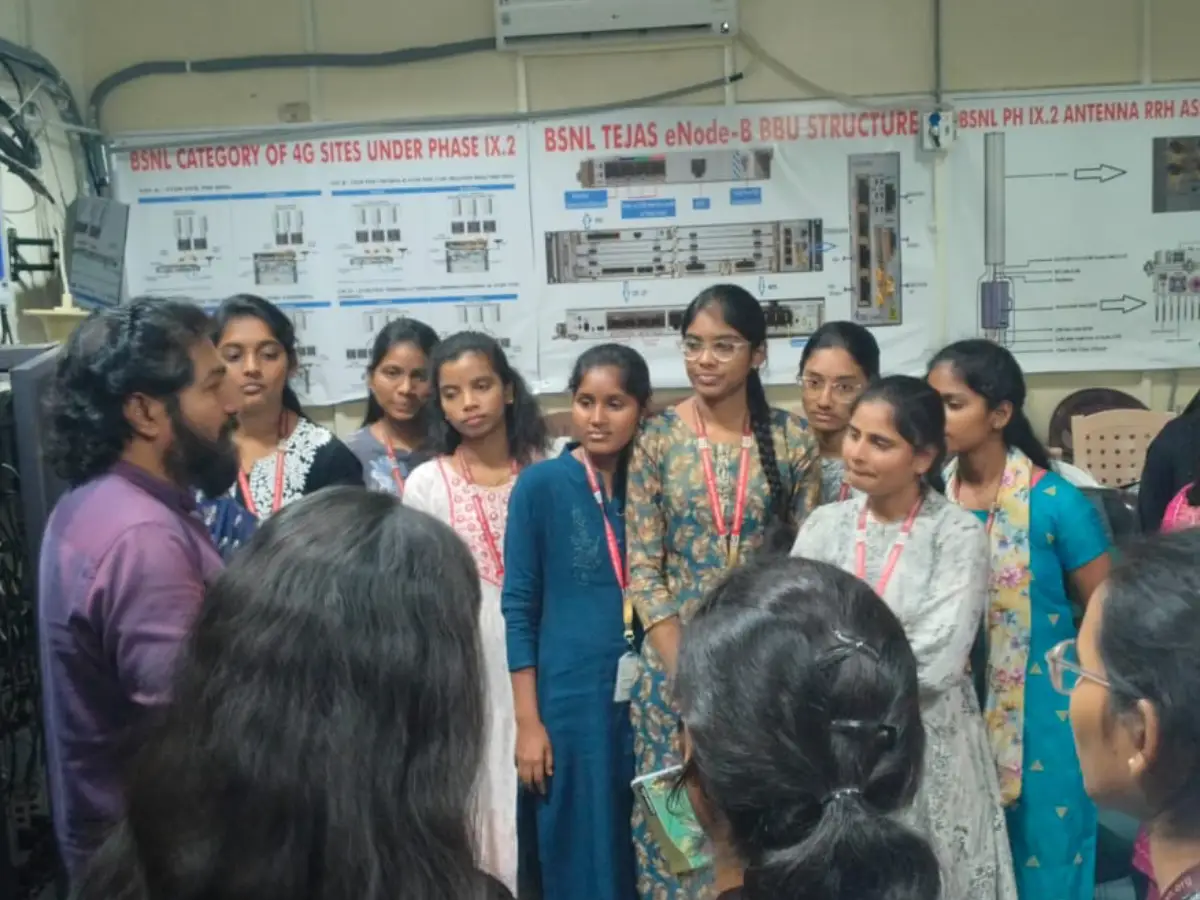
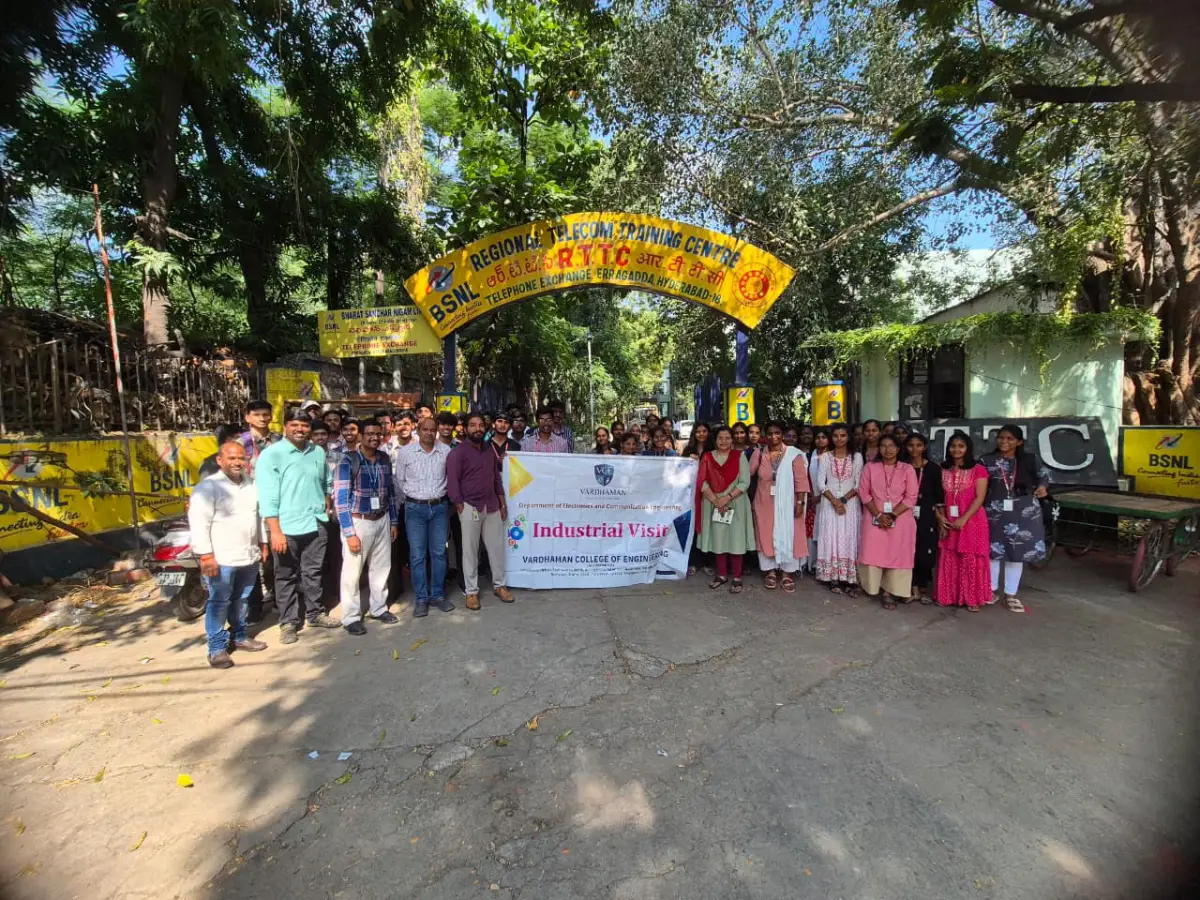
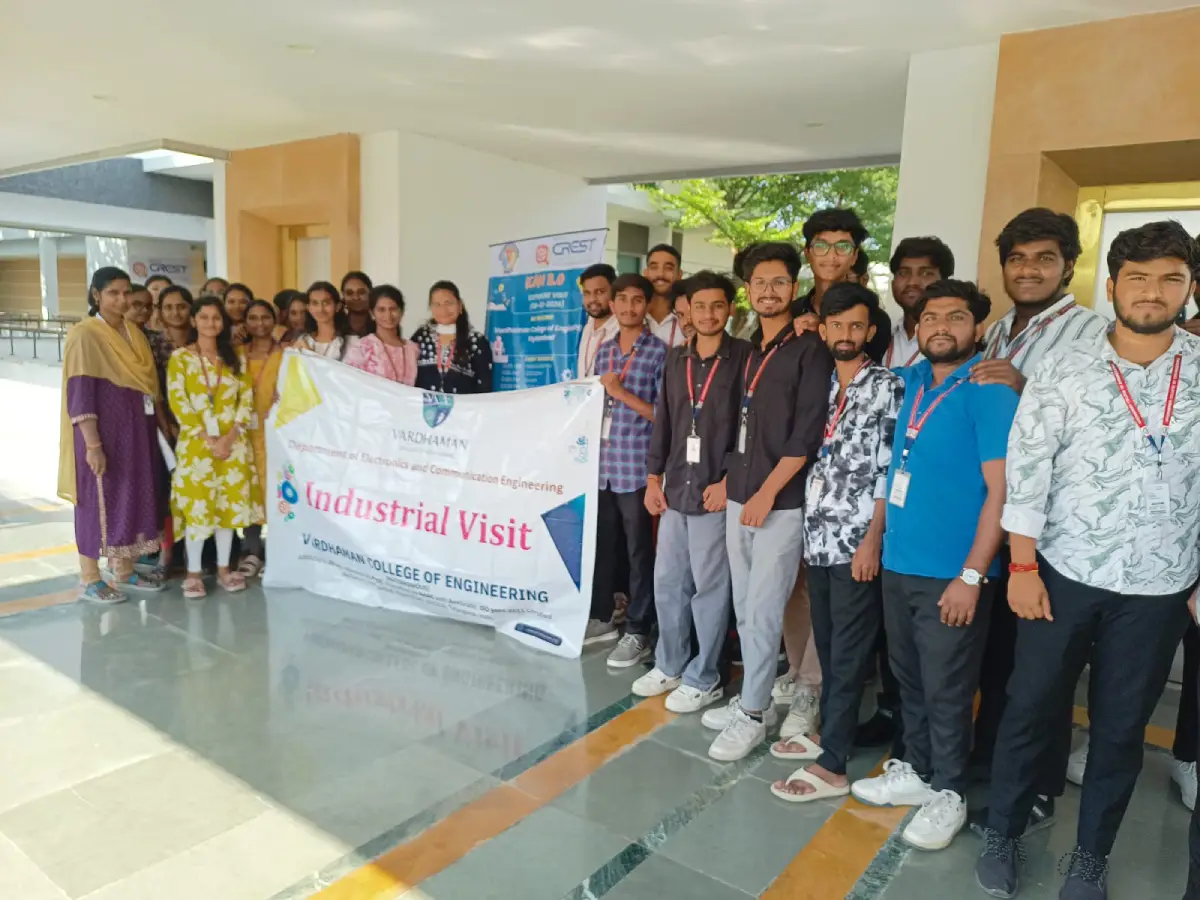
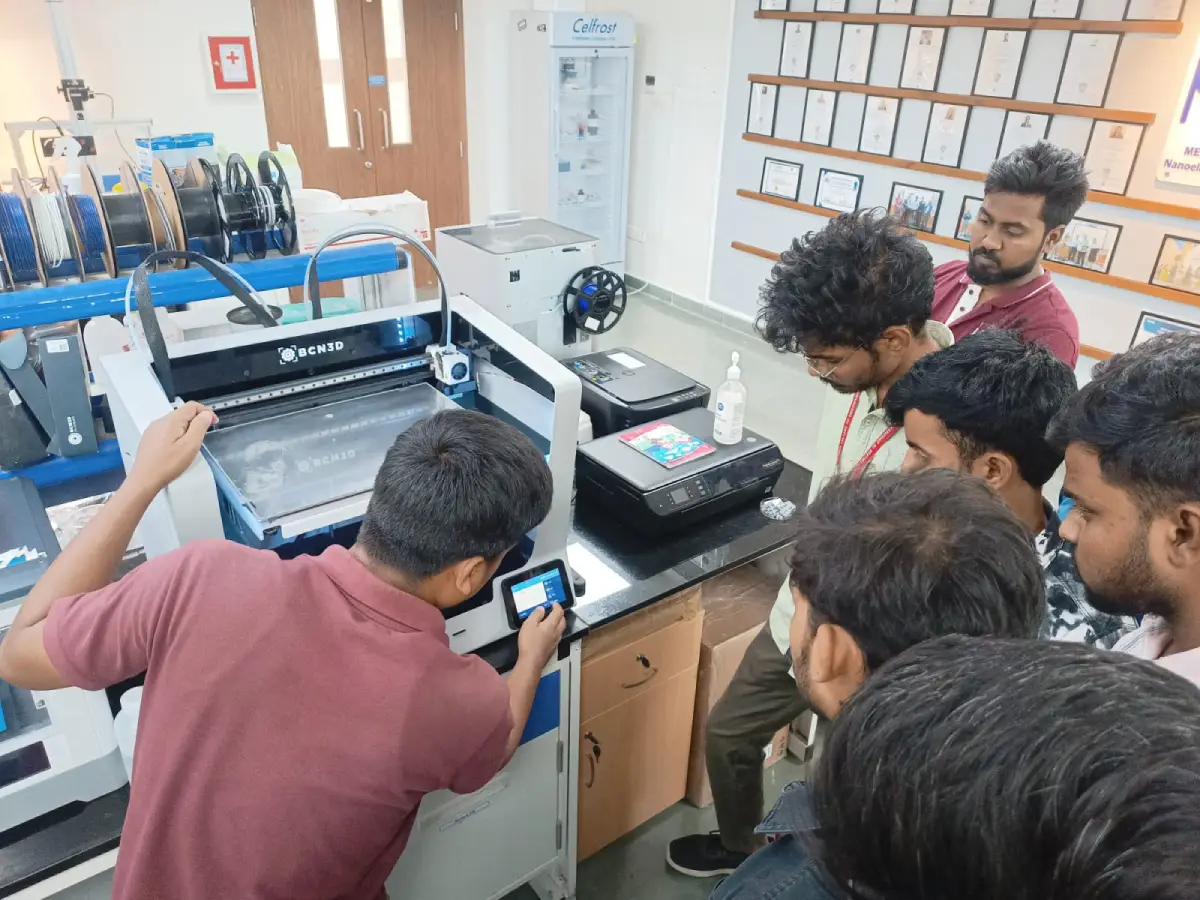
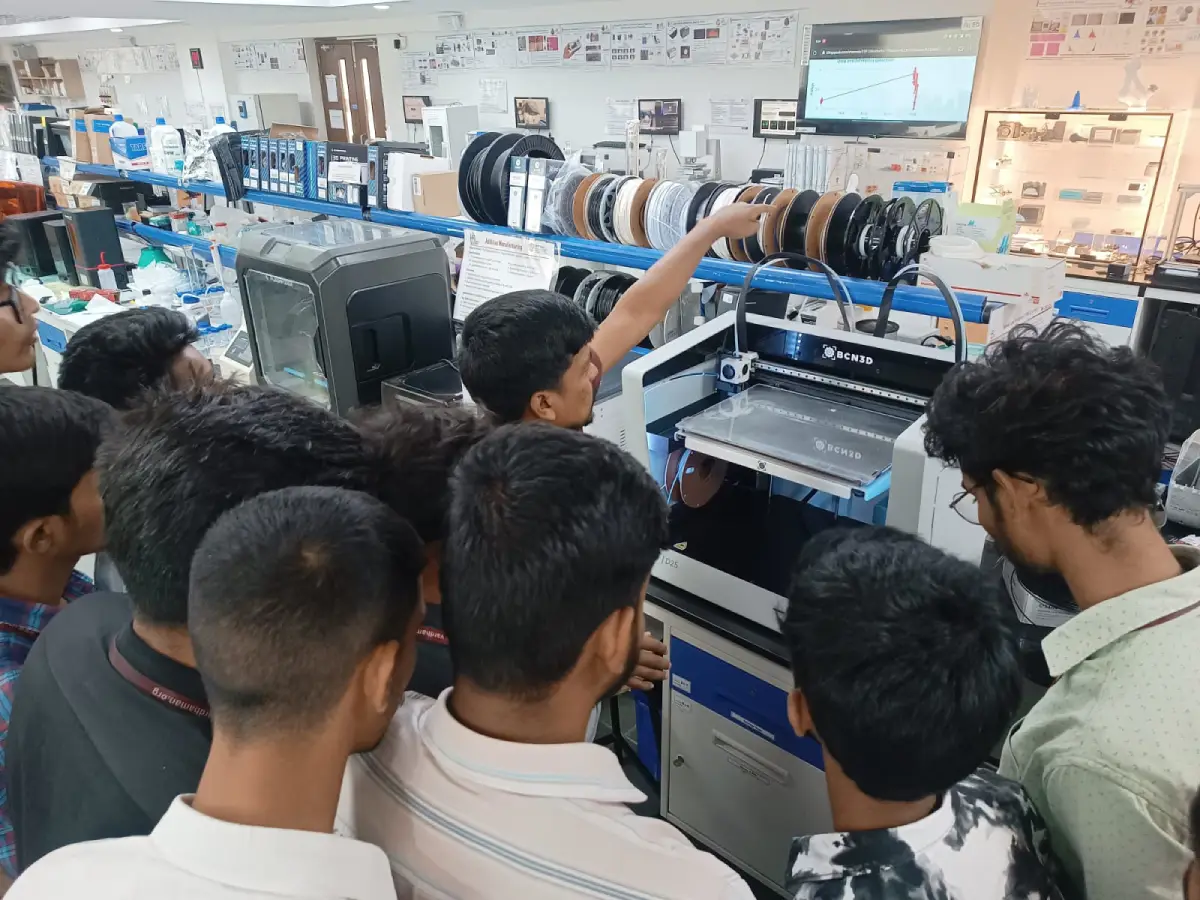
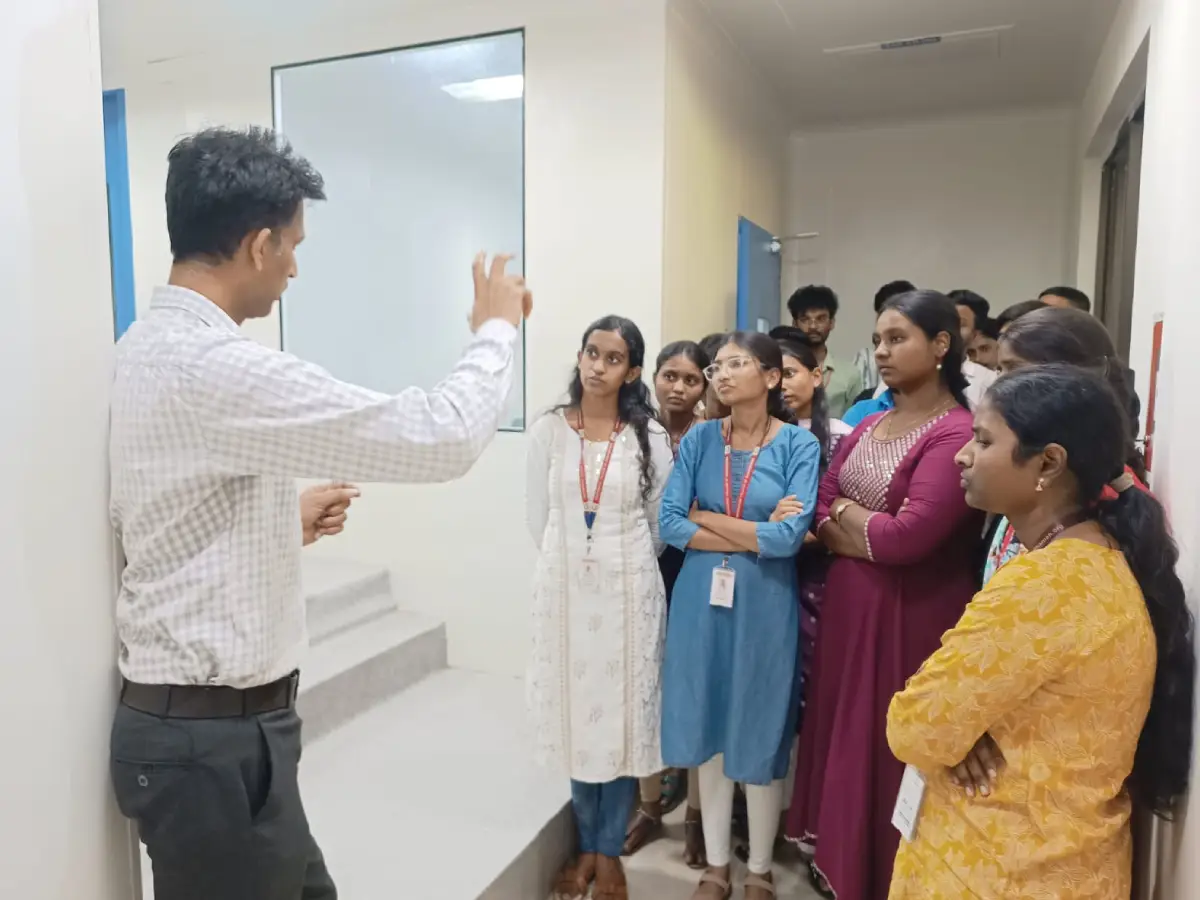
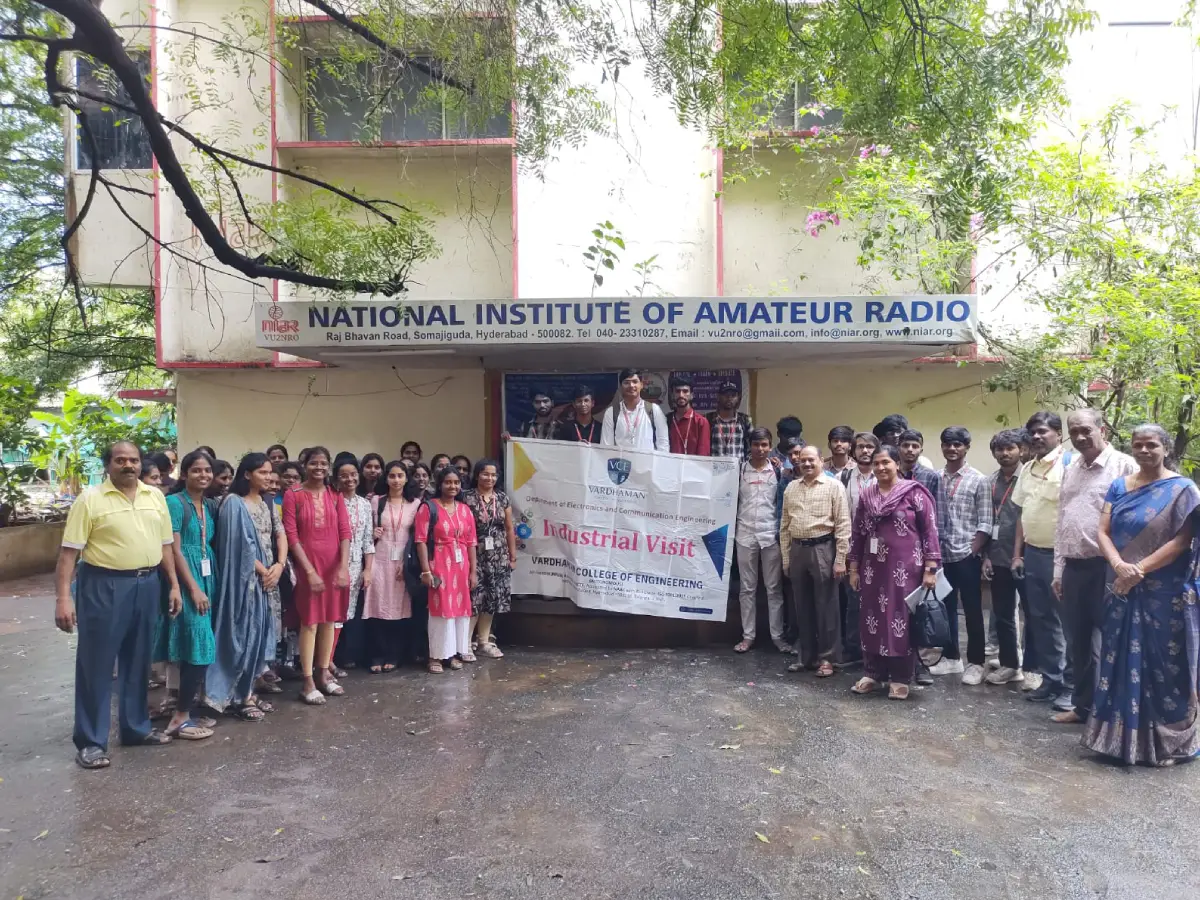
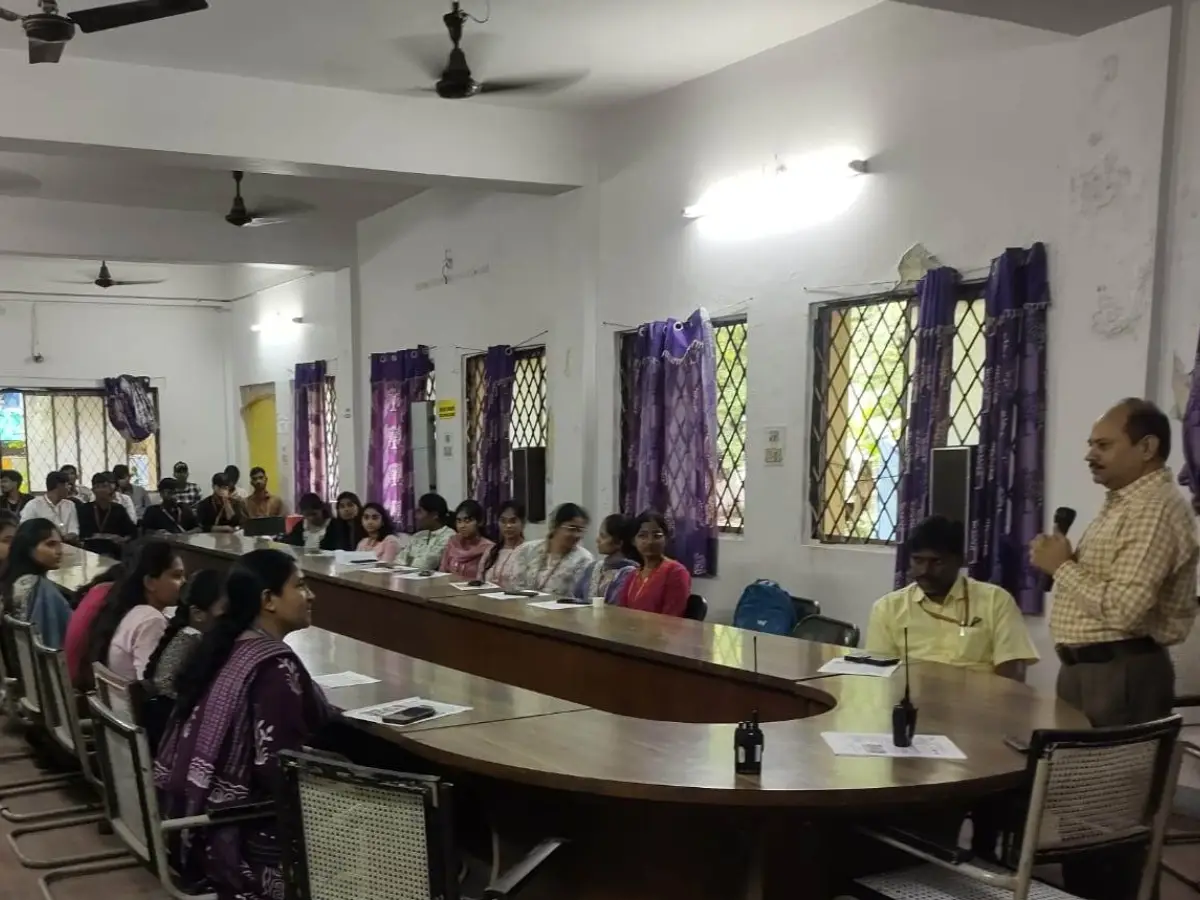
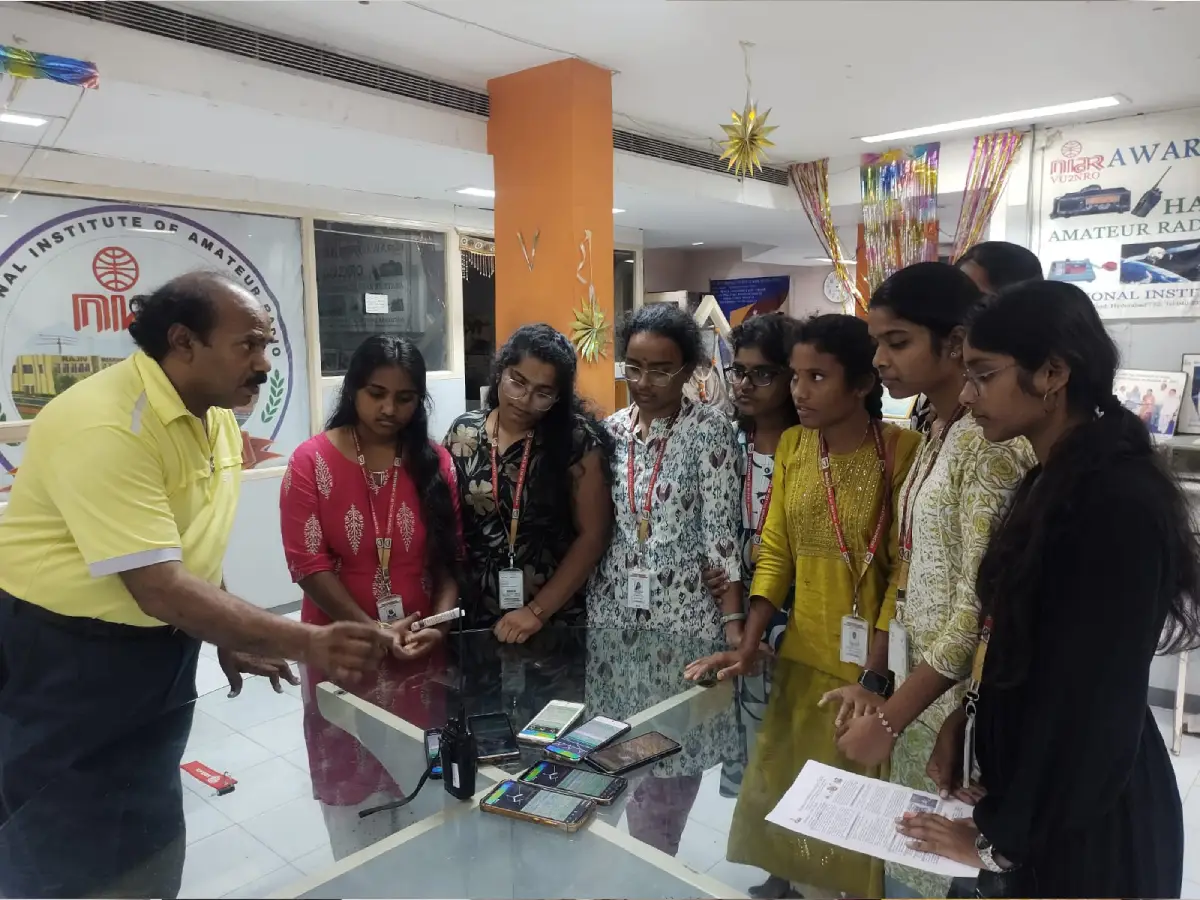
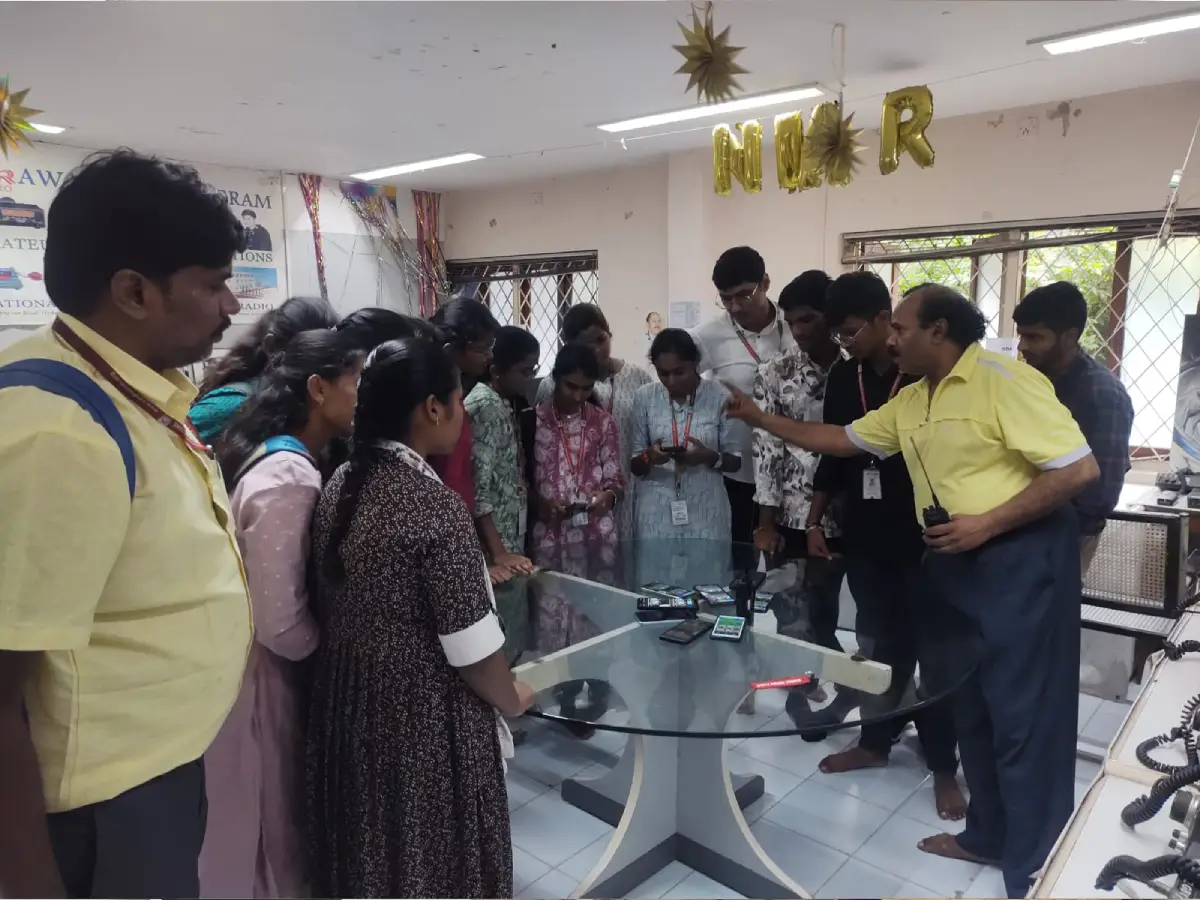
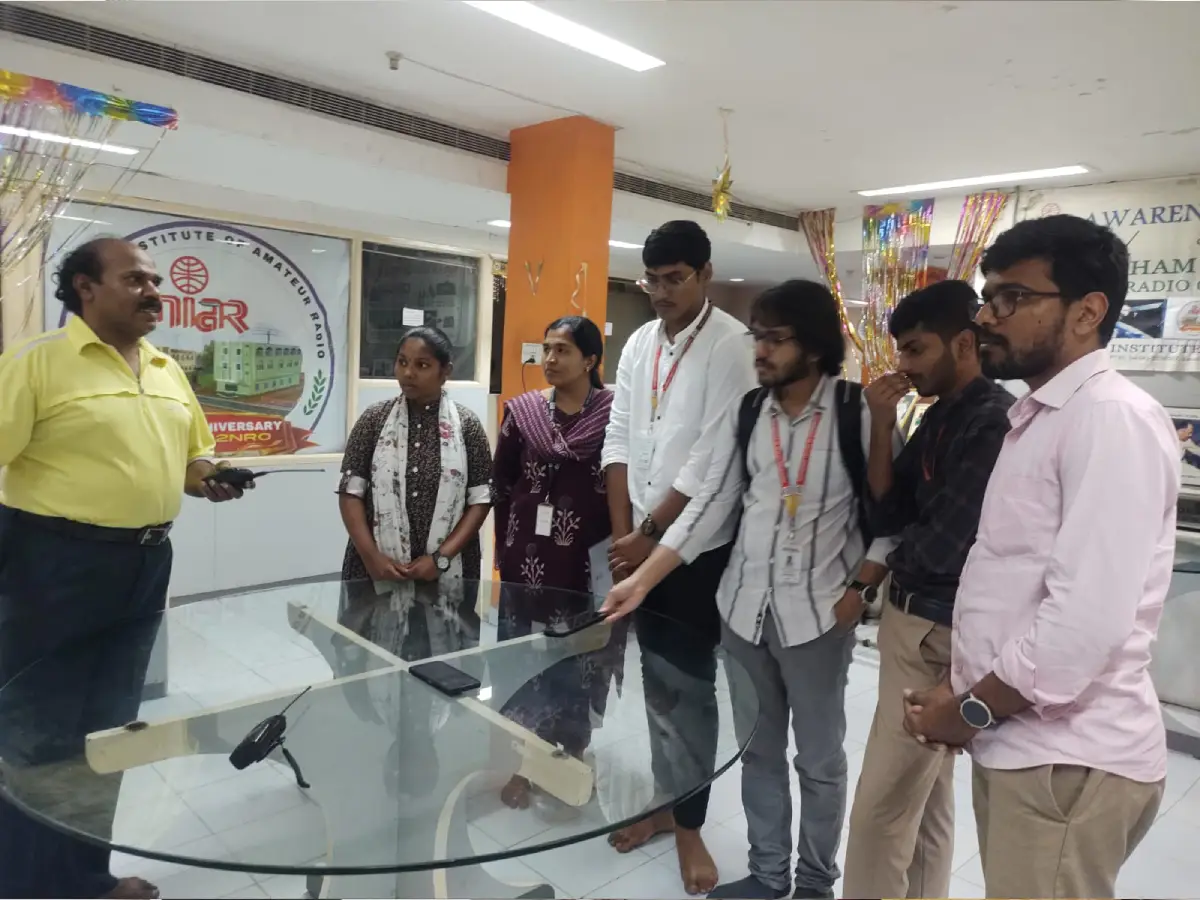
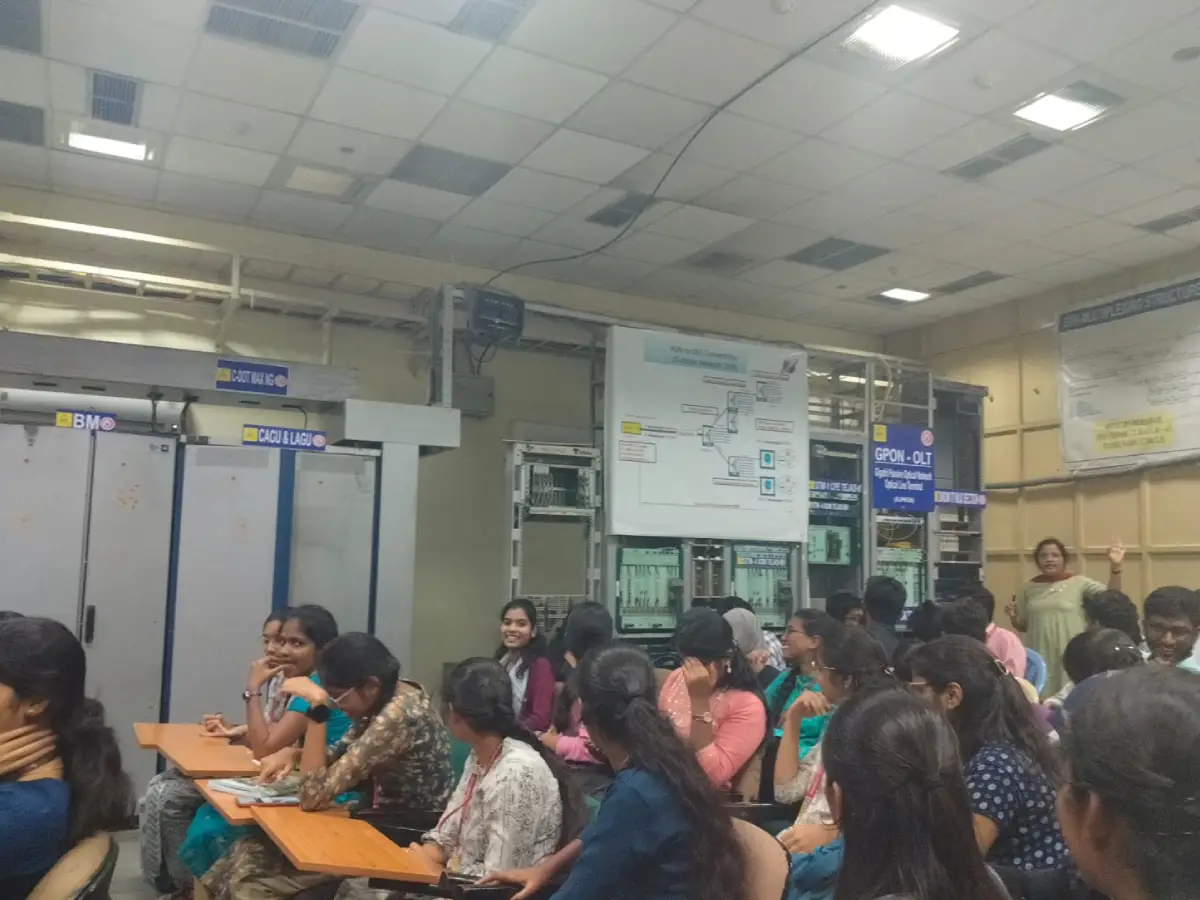
Industrial visits are an essential component of engineering education that provide students with practical exposure to real-time industrial and technological environments. They help bridge the gap between classroom learning and industry application by enabling students to observe live operations, interact with professionals, and understand how theoretical concepts are implemented in practice.
The Department of ECE regularly organizes industrial visits to reputed organizations such as telecom training centres, research institutes, semiconductor and electronics industries, innovation hubs, and communication companies. As reflected in the above list of visits across multiple academic years, students have been exposed to diverse domains including telecommunications, satellite and ocean information services, semiconductor technology, electronics manufacturing, and startup ecosystems.
These structured visits enhance students’ understanding of modern tools, industrial processes, and emerging technologies while also improving soft skills such as communication, teamwork, and professional conduct. Overall, industrial visits significantly contribute to industry readiness and experiential learning, complementing the academic curriculum.